
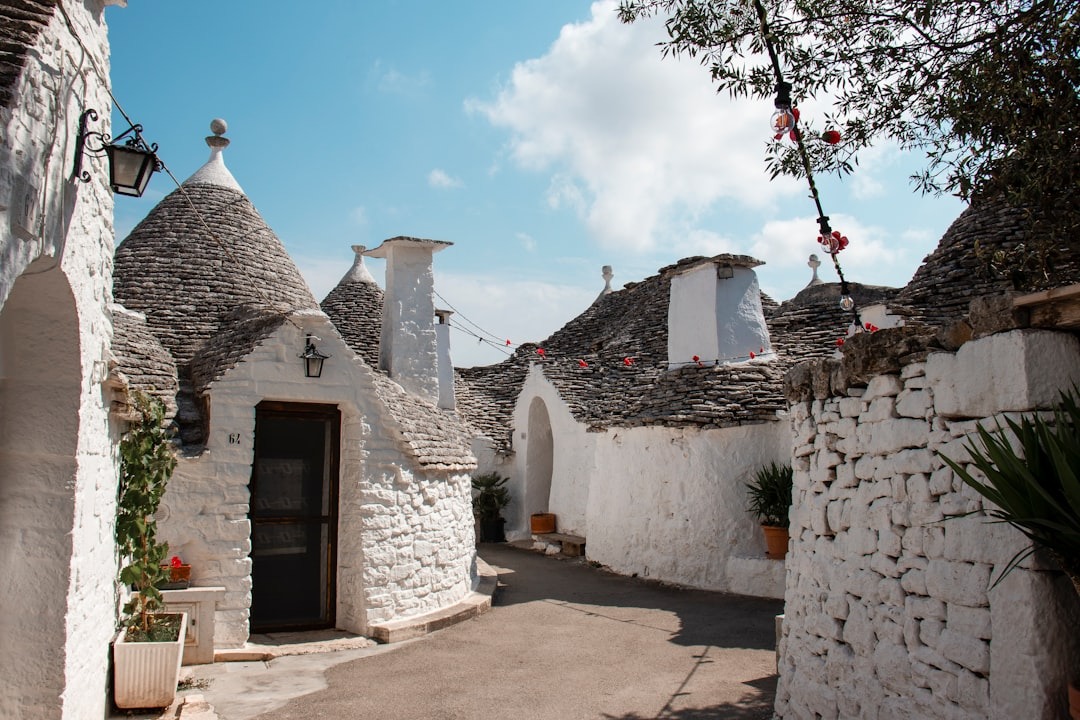
The ancient origins of the trulli
The very first trulli date back to prehistoric times. Even then, the Itria Valley was home to settlements and tholoi – the typical structures used in particular to bury the dead. This prehistoric lineage shows that the conical architecture of the trulli belongs to a thousand-year-old tradition inherited from the ancient civilisations of the Mediterranean.
The age-old tradition of the trulli in Puglia has its roots in protohistory, even though the oldest remains discovered so far date from the 16th century. These unique buildings bear witness to a remarkable architectural continuity, adapted to the climate and local materials of Puglia.
The soul of the trulli lies in their iconic, rural and traditional Apulian character, symbolising ingenuity, perseverance and attachment to history. These buildings express the essence of Puglia’s rural heritage, its adaptation to nature, and the ancestral beliefs inscribed in their mystical architecture.
An architecture unique in the world
Trulli are cylindrical houses topped by a cone, built entirely of dry stone, without mortar or any other binding material. Despite their very simple building technique and form, they display admirable structural balance and flawless architecture.
This dry-stone building technique reveals an extraordinary know-how handed down from generation to generation. Only flat limestone slabs are used, laid in ever-narrowing rings up to the tip. The master masons designed the trulli as self-sufficient dwellings for both people and animals – a functional approach that perfectly reflects the needs of Puglia’s traditional rural economy.
The Itria Valley: the natural setting of the trulli
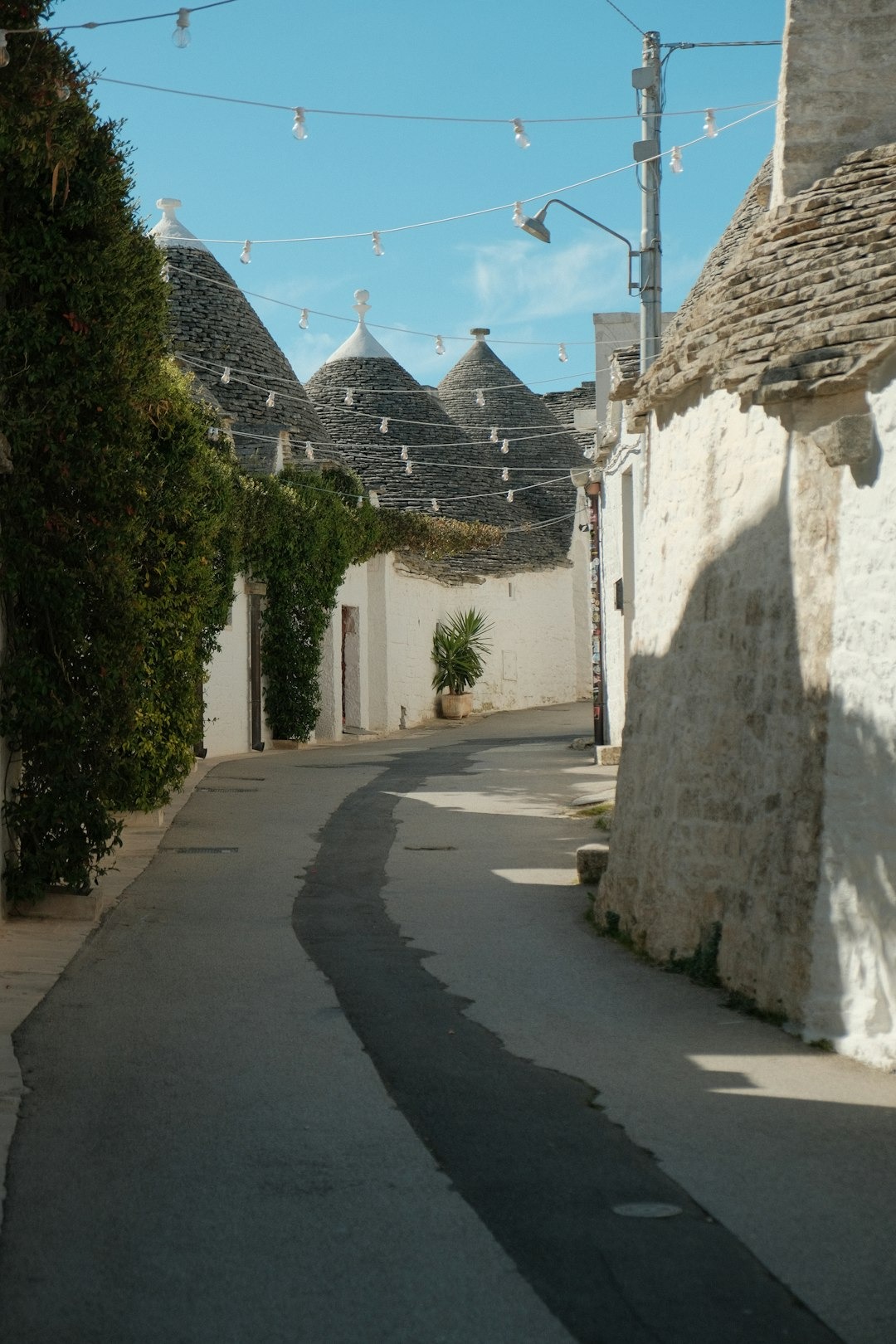
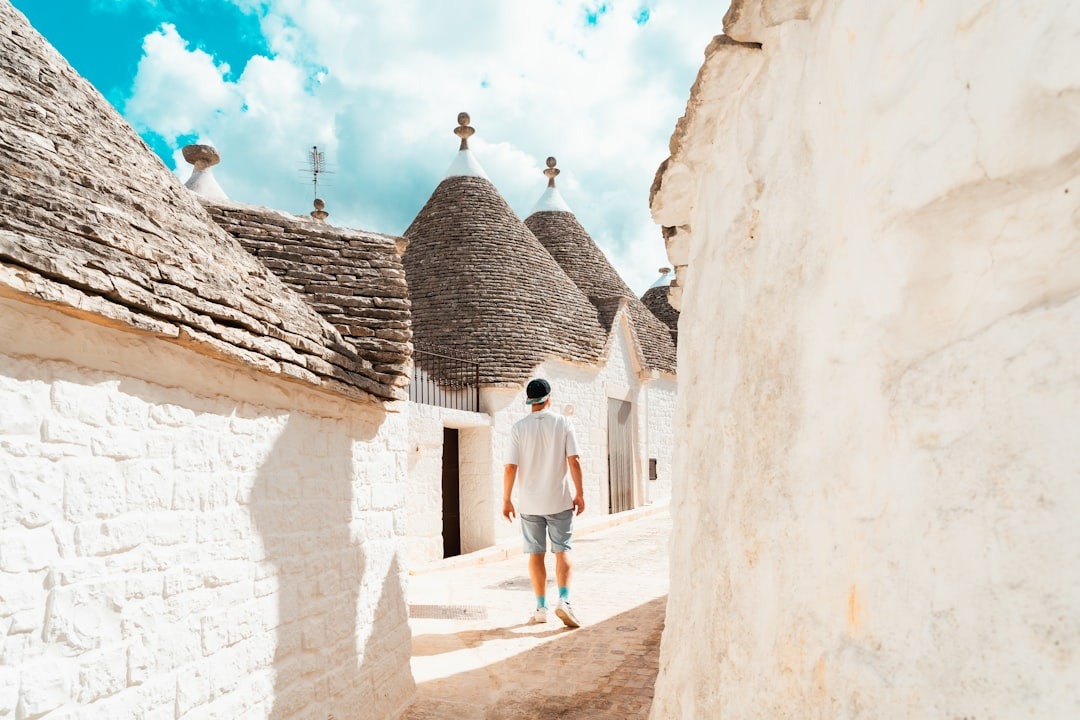
In the heart of Puglia lies the Itria Valley, the valley of the trulli, where the alternation of ravines and hillsides, the high density of trulli and farmhouses, and fields bordered by dry-stone walls create one of the most beautiful landscapes in Puglia – and indeed in all of Italy.
Trulli are found mainly on the Murge plateau, and above all in the Itria Valley, a geographical area that offers ideal geological conditions for this distinctive architecture. The materials used, in particular dressed stone and dry stone, are typical of the Murge plateau where they are found.
The social and economic role of the trulli
Historically, trulli were originally used as shelters by shepherds and farmers in Puglia. These modest buildings perfectly reflected the region’s agro-pastoral economy, offering a home suited to the seasonal rhythms of Mediterranean farming.
Trulli are ancient conical rural buildings of dry stone and one of the most typical expressions of Puglia’s peasant soul. This strong sense of identity explains why these buildings continue to fascinate and to inspire respect and admiration.